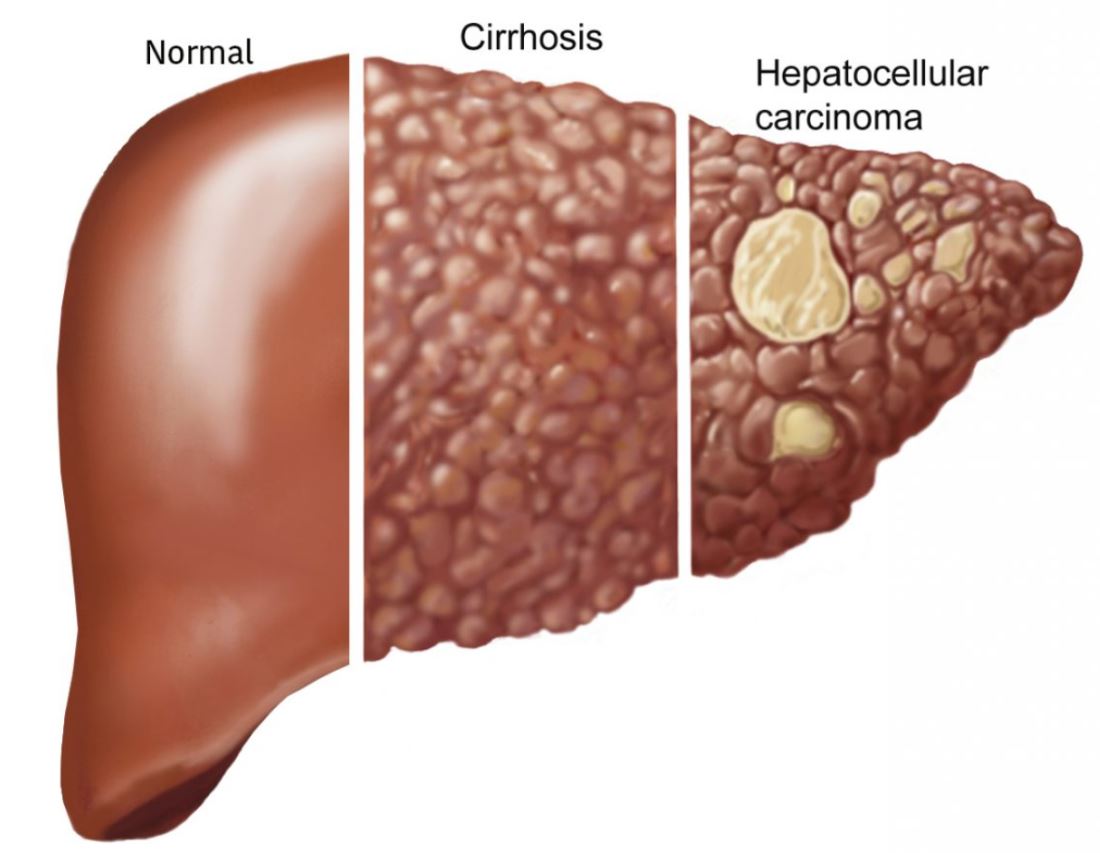
CAN LIVER CANCER BE PREVENTED?
This insidious disease typically develops against a background of cirrhosis, chronic Hepatitis B or C infections, alcohol use, or non-alcoholic fatty liver disease. Here is a recent study aimed at preventing and/or managing this disease. Let’s take a look.
Hepatocellular carcinoma (HCC) is the most common type of liver cancer, known for its insidious onset, rapid progression, and poor prognosis. A recent study of significant epidemiological importance for the control and prevention of this disease—which poses a serious long-term threat to global public health—has marked a critical turning point in the prevention and control of HCC. The study was jointly conducted by research teams led by Professor Cao Guangwen from the Maritime Medical University, Professor Zeng Hongmei from the National Cancer Center, and Professor Yu Xueqin from the University of Sydney, and was published in the journal *Science Bulletin*. This study comprehensively assessed the global disease burden of hepatocellular carcinoma in 2022, covering 185 countries and regions worldwide, and quantitatively analyzed the population-attributable proportions of nine major modifiable risk factors. As a result, it has provided vital scientific evidence for countries to develop targeted prevention strategies.
The liver is the largest parenchymal organ in the human body. If you were to ask what a parenchymal organ is, let’s start with parenchyma. Parenchyma is a tissue composed of cells that perform a basic function, and it is also a type of tissue. In other words, we can define a parenchymal organ as an organ that performs a specific function through all its tissues.
Returning to the liver: It is an organ that performs critical functions such as metabolism, detoxification, synthesis, and immune regulation—in other words, it acts as the body’s automatic control center. However, due to the liver’s strong compensatory capacity, we often do not realize there is a problem because it does not exhibit noticeable symptoms in the early stages of the disease. This insidious nature means the disease is often diagnosed only in advanced stages, leading to a generally poor prognosis for hepatocellular carcinoma (by the way, prognosis can be defined as a medical prediction or medical outlook—that is, the entirety of a physician’s assessment regarding the course of the disease, treatment options, and potential outcomes). The study in question reveals that in 2022, there were approximately 690,000 new cases of hepatocellular carcinoma (liver cancer) worldwide, and approximately 600,000 people lost their lives. Since this is a medical article, you may not be familiar with some of the terms used. For this reason, I would like to briefly explain incidence and mortality as well. Incidence refers to the number of new cases of a disease occurring within specific criteria (such as population and time). Mortality, as the name suggests, refers to the death rate.
An analysis of data from recent studies on hepatocellular carcinoma indicates that incidence and mortality rates vary by region and gender.
East Asia and North Africa are the regions with the highest age-standardized incidence and mortality rates, and the incidence rate among men is significantly higher than that among women. China leads by a wide margin in this regard. It is the region with the highest incidence of hepatocellular carcinoma, accounting for 45.2% of global cases and 44.6% of global deaths.
The research team’s findings, resulting from the first comprehensive assessment of nine modifiable risk factors contributing to global HCC (liver cancer), include the following infectious factors: chronic hepatitis B virus infection, chronic hepatitis C virus infection, and Clonorchis sinensis infection. Metabolic factors include obesity, type 2 diabetes, and non-alcoholic fatty liver disease associated with metabolic dysfunction. You likely have some knowledge about hepatitis, but let’s briefly touch on Clonorchis sinensis infection here.
In short, Clonorchis sinensis—also known as the Chinese liver fluke—is a fish-borne flatworm that causes Clonorchis sinensis infection. Humans become infected by consuming raw or undercooked freshwater fish, such as fillets, sashimi, or congee, that contain Clonorchis sinensis metacercariae. Once infected, Clonorchis sinensis lives in the human bile system. If not diagnosed and treated early, these parasites can lead to serious complications. The disease caused by this parasite, which affects fish-eating mammals (including humans, cats, and dogs), has been added by the World Health Organization (WHO) to the list of the world’s most neglected tropical diseases.
Excessive alcohol consumption, smoking, and exposure to aflatoxin B1 are three major risk factors for HCC that are observed globally across all five continents. In 2022, approximately 78.4% of new HCC cases worldwide were attributable to these nine factors; this indicates that approximately 80% of global HCC cases could be prevented through effective control of these factors.
Over the past few decades, chronic hepatitis B and C virus infections have remained the primary causes of hepatocellular carcinoma worldwide, though this trend is gradually shifting. With the widespread adoption of hepatitis B vaccines and the increasing availability of antiviral treatments for hepatitis C, the prevalence of infectious factors has decreased, leading to a decline in the incidence of virus-related hepatocellular carcinoma in some regions. Meanwhile, global industrialization and urbanization have led to lifestyle changes and caused a rapid increase in the number of cases of non-alcoholic fatty liver disease associated with obesity, type 2 diabetes, and metabolic dysfunction, which have emerged as significant new causes. Increased alcohol consumption and chronic exposure to aflatoxins in certain regions have further complicated efforts to prevent and control HCC. This situation demonstrates that we are facing the combined effects of multiple risk factors; relying solely on vaccination cannot halt the rise in incidence, and countries must urgently implement targeted prevention strategies based on the “risk factor distribution profile.”
Globally, infectious risk factors remain the most significant determinants of hepatocellular carcinoma; however, primary risk factors vary significantly across different countries and regions. In Asia, particularly East Asia, chronic hepatitis B virus infection is the primary risk factor. In Africa, infectious risk factors predominate, and the proportion of hepatocellular carcinoma cases resulting from the consumption of foods contaminated with aflatoxin B1 is higher in this region compared to other continents. In Europe, metabolic and behavioral factors play a significant role; in Western Europe, excessive alcohol consumption is the primary cause of hepatocellular carcinoma, whereas in Northern Europe, both excessive alcohol consumption and obesity are contributing factors. In the Americas, smoking and type 2 diabetes account for a higher proportion of hepatocellular carcinoma cases compared to other continents.
As seen, this study provides important insights for the prevention and control of hepatocellular carcinoma. The Lancet Commission estimates that, if current trends continue, the global number of new liver cancer cases will nearly double by 2050 compared to 2022; if age-standardized incidence rates decrease by just 2% to 5% annually over the next 25 years, the number of new liver cancer cases could be reduced by 8.8 million to 17.3 million, and 7.7 million to 15.1 million liver cancer deaths could be prevented. This study provides guidance for the precise formulation of prevention strategies at the global, regional, and national levels: In Asia and Africa, where the disease burden is high, efforts should focus on increasing hepatitis B vaccination coverage, improving access to hepatitis C diagnosis and treatment, and strengthening food safety management; in developed countries and China’s urban areas, efforts should focus on promoting healthy lifestyles, addressing obesity and diabetes, and regulating tobacco and alcohol use; Individuals should be aware of the primary risk factors in their regions and take targeted measures such as getting vaccinated, adhering to standard treatment protocols for hepatitis B and C, improving dietary habits, quitting smoking, limiting alcohol consumption, and engaging in regular physical exercise; all of these are effective measures for preventing hepatocellular carcinoma.
Although the global situation regarding the prevention and control of hepatocellular carcinoma remains serious, we can achieve targeted prevention by reducing the primary modifiable risk factors. Improvements at every level—from national-level strategies to individual lifestyle habits—can effectively reduce the global burden of hepatocellular carcinoma. Recognizing the risks and taking proactive preventive measures is our strongest response to this challenge!
Levent Aslan
Source : https://www.sciengine.com/CSB/doi/10.1360/CSB-2026-0015

In order to have a signed physical copy of this book, you can make a payment notification after making the payment to the bank information below


















Add Comment