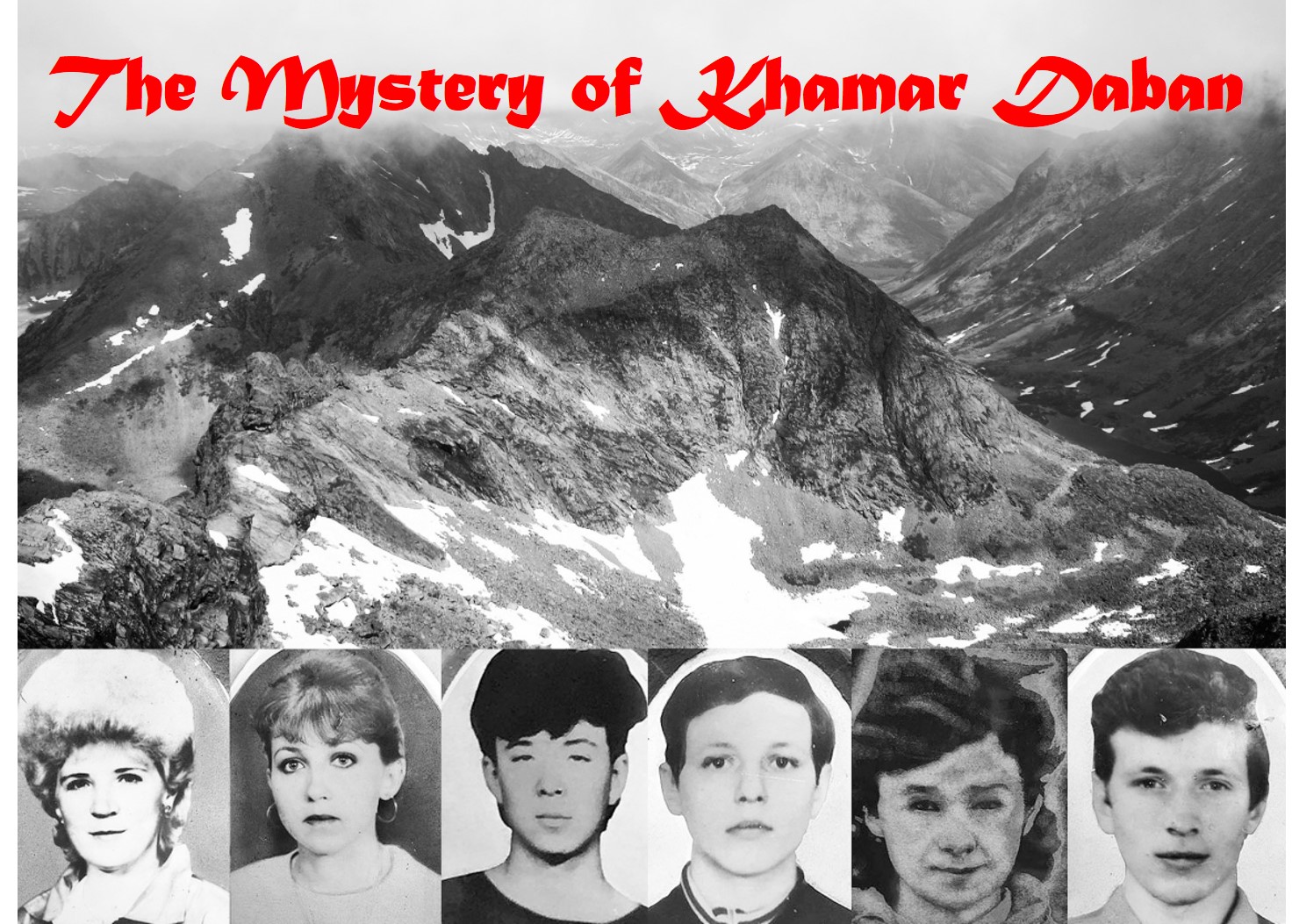
KHAMAR DABAN MYSTERY
Seven mountaineers were going to undertake one of the hikes that were part of the field training of Soviet mountaineering schools that day, together with two other groups. The Khamar Daban mountains were chosen as the destination. Two of the groups would follow different routes on either side of these mountains, observing the climatic conditions of the mountain and preparing a report after the training. The mountaineering schools also wanted young people to strengthen themselves on challenging trails and develop their orienteering skills.
The group's leadership was given to Lyudmila Korovina, an experienced mountaineer known for her tough character. Korovina was the leader of a tourism club called Azimut, located in the city of Petropavlovsk, Kazakhstan. She was an experienced mountaineer who had earned the title of master athlete during the Soviet era and was a preferred choice for mountaineering schools. She trained her students in navigation, camping, and crisis management in the field.
The world-renowned mountaineer Lyudmila, 41, personally selected her team:
Alexander Gennadievich Krysin (23), a graduate of Moscow State Technical University and an experienced hiker;
Timur Bapanov (15), the youngest member of the group, who comes from a family of experienced hikers but should not even be considered a beginner given his age;
Victoria Zalesova (Vika - 16),
Valentina Utochenko (Valya - 17),
Tatiana Yurievna Filipenko (24), secretary at the Petropavlovsk Pedagogical School and an experienced hiker,
And Denis Viktorovich Shvachkin (19), who stood out for his strong physique.
It was not initially planned for Denis Shvachkin, a member of the Azimut club, to go on the expedition. But at the last minute, he took the place of another young man whose family had forbidden him from hiking in the mountains. Denis himself did not ask his family for permission; he even ran away from home, leaving a note saying, “I've gone to the mountains, I'll be back soon.”
The group of seven hikers led by Korovina arrived in Irkutsk by train. Korovina's hiking group was one of three hiking groups in the area, one of which was led by her daughter Natalia. Rumor had it that Alexander Krysin, who was very close to Lyudmila Korovina, had proposed to her daughter Natalia. Although they were from the same school, Natalia and Lyudmila's teams would follow different routes and meet at a certain point. Natalia's team's route would follow the valley route on the southern line of Khamar Daban, progressing through forested areas and camping in low-lying areas.
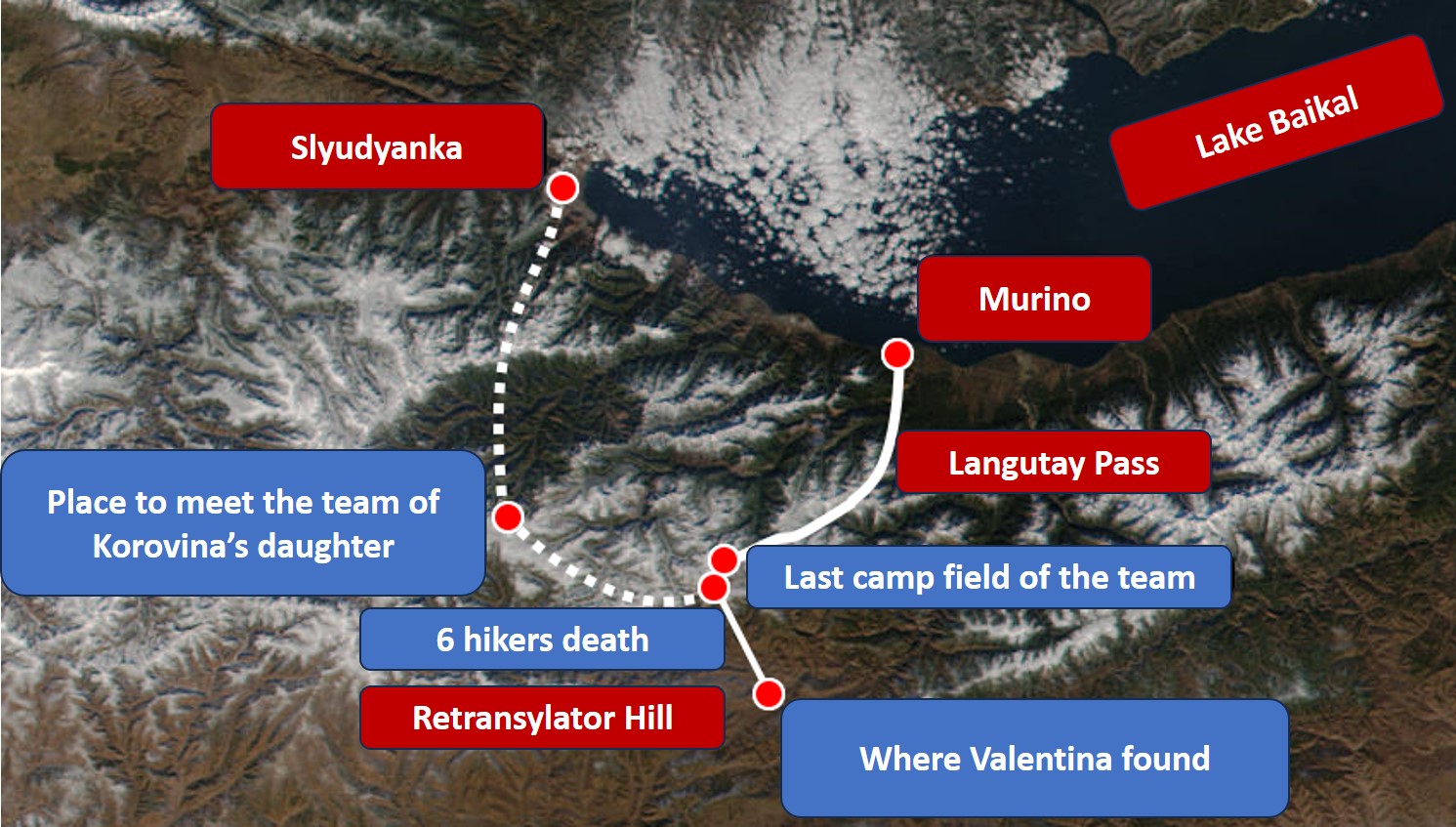
The starting point of Lyudmila Korovina's team's route was Murino Station on the southern shore of Lake Baikal, and their much more challenging task was to cross the Khamar Daban ridge.
The deadly trek began on Monday morning, August 2, 1993. As required by regulations, the team sent a telegram from the Murino Station post office to the rescue teams informing them of their departure. Everyone was walking towards their own destiny. It would only become apparent much later that this telegram had not reached its destination for unknown reasons.
Lyudmila Korovina's route, which was classified as a 3rd degree difficulty according to mountaineering standards, meant medium difficulty. Although Korovina had carefully planned her route and prepared backup plans for possible weather changes, the risk level could increase rapidly in the event of sudden temperature drops, fog, or loss of direction on the route. The area was extremely unstable, both geographically and meteorologically. Conditions could change at any moment.
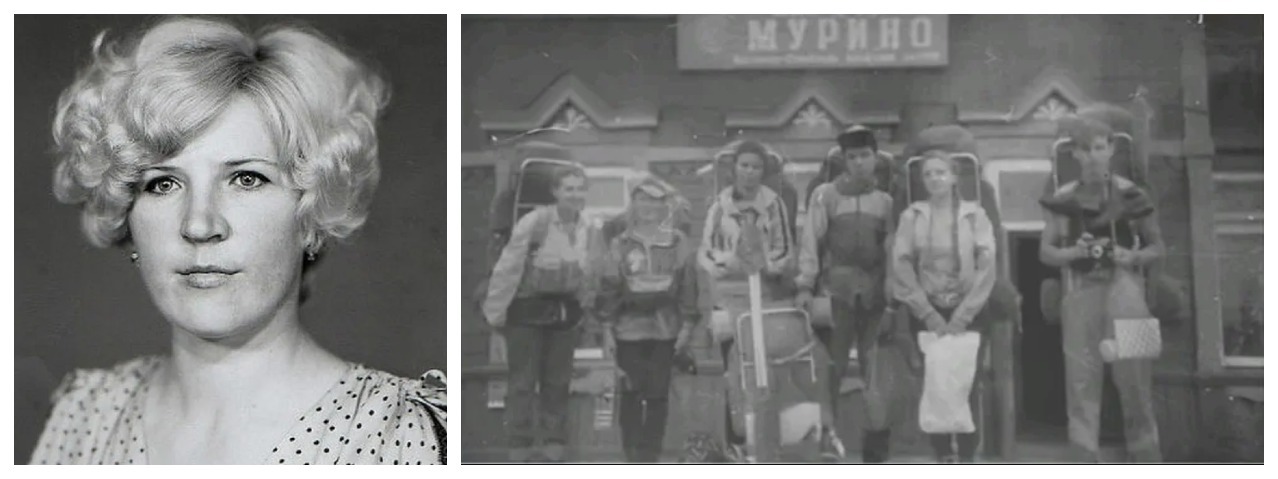
Ekibin lideri Lyudmila Korovina
In the morning, Lyudmila's group, which had started walking, had moved eastward along the Langutay River Valley. They had walked for about 9 hours and set up camp at an altitude of 1200 meters. This part of the journey went according to Korovina's plan, with necessary breaks taken and hiking discipline never faltering. Young hikers like Tatyana and Viktorya managed to keep up with the group, albeit not perfectly, and did not fall behind the planned distance.
On Tuesday, August 3, 1993, they planned to exit the Langutay Pass, proceed along the Barunyunkatsuk River valley, then head towards the Khanulu ridge and reach Retransylator Peak to set up camp there. Whatever happened occurred along this route. As they passed through the Barunyunkatsuk valley and descended to the eastern side of the valley, the weather slowly began to change. Korovina noticed this change and, upon measuring the barometric pressure, realized that the values were dropping rapidly and that a storm was approaching. With Retransylator Peak, named after the device that relayed radio signals from the hilltop, just a short distance away, they were forced to set up camp in an open area at the foot of Khanulu Mountain.
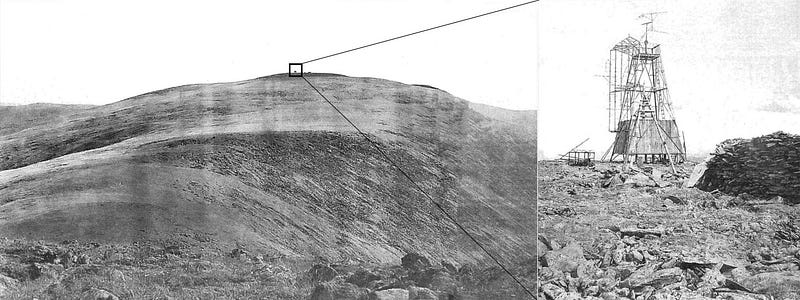
Retransylator Peak
And that decision marked the beginning of the disaster. The decision to set up camp in the open area, which seemed logical at the time, was not at all suitable for the rapidly changing weather conditions. It was such a place that there was no rock shelter to take refuge in, no hill to break the wind, and no natural shelter to protect them even a little from the rain and wind. The campsite surface was entirely composed of a mixture of rock and clay. The rain that began in the late afternoon, not being absorbed by the soil as the night progressed, had turned the ground into mud and, moreover, created puddles on the rocky terrain. The tent pegs driven into the unstable ground weakened due to the rain, and the storm, which frequently changed direction, shook the pegs, creating the feeling that the tents could be uprooted at any moment. As the night progressed, water began to seep through the seams of the tents, pooling on the ground beneath them. So much so that the climbers' sleeping bags and even their clothes were slowly getting wet. The worst part was that there was nothing they could do but wait. With wet clothes, numb hands, and increasingly heavy backpacks, they settled in to wait for morning.
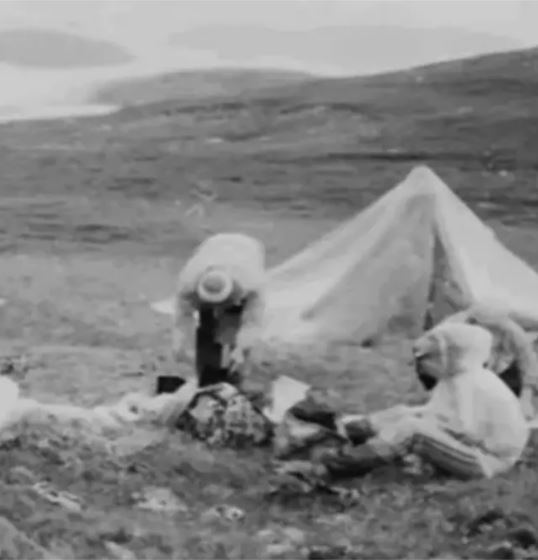
Although the rain had subsided by morning, the fog had not lifted. Due to the moisture inside the tent and the seeping water, the maps, compasses, food, and in short, everything they needed had become useless. Looking out of her tent and finding the situation far from promising, the experienced mountaineer Korovina was preparing to make another mistake. Korovina was thinking that they wouldn't be able to withstand another storm and rain at that moment.
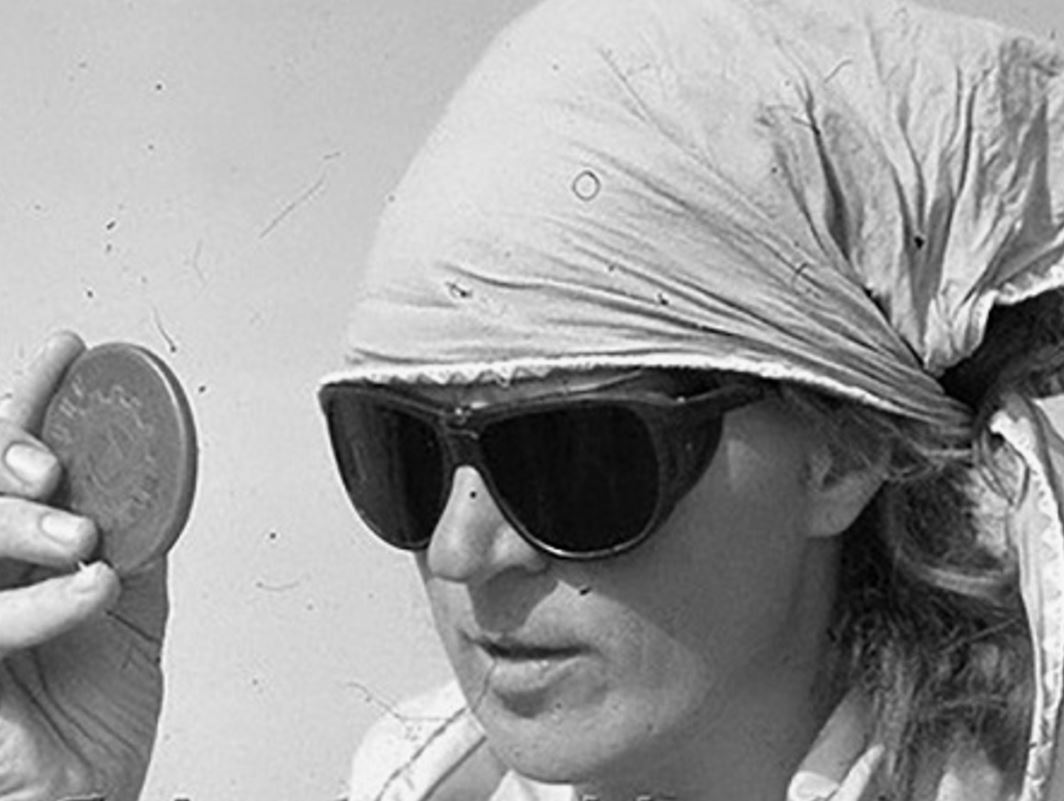
Lyudmila Korovina
Turning to her team, she said, "Get ready, we're gathering and descending." The group tried to reorganize themselves and their bags. The usable maps and compasses were placed in waterproof bags. The team descended at close intervals, unaware of the danger awaiting them. Shortly after, the fog thickened and the wind changed direction, worsening the weather conditions. Exhaustion, hunger, and cold slowed the group down. About 1-2 hours after starting their descent toward the forest line, the team made a brief stop near Retransyator Peak.
Just then, Alexander Krysin, considered the most experienced member of the group, lost his balance and fell to his knees. At first, everyone attributed this to fatigue or a sudden drop in blood pressure, but it didn't take long for them to realize that the situation was more serious. Krysin couldn't stand up and kept falling. A few seconds later, the young man's body began to shake uncontrollably. His teeth were chattering. His breathing was short and irregular. However, the bleeding from his ears and eyes, along with the appearance of white foam in his mouth, caused the other members to panic. Korovina had rushed to Krysin's side to try to take control of the situation and help him, but she didn't know how to be of any use. Unfortunately, Alexander Gennadiyevich Krysin died within just a few minutes. The team was in shock.
Korovina, who was looking after Krysin, suddenly began to feel ill and collapsed. Her breathing quickened, her muscles twitching uncontrollably. Those around her tried to help, but Korovina's death was swift. Maybe a minute...
Tatyana Filipenko suddenly screamed like a madwoman, a terrible scream that echoed through the mountains, and then started running. She kept slapping her own face, clutching her throat as if she couldn't breathe. Worse still, Tatyana had lost her mental control. She ran to the nearest rock and began banging her head against it. She was covered in blood.
At the same time, Viktorya was trying to open her chest as if she couldn't breathe, trying to remove her clothes.
Timur was trembling uncontrollably on his knees a few meters away. His face was pale white, his lips blue. His teeth were chattering rapidly.
Denis and Valentina watched the group's situation helplessly. Whatever happened at that moment, Denis started yelling “Run!” to his friend Valentina. Denis had run between the rocks and was trying to hide inside his sleeping bag. As soon as Valentina heard the command “Run!”, she reflexively grabbed her bag and started running like crazy, trying to get away from there. She had stumbled through the mud for about half an hour without stopping. During that time, she had no idea where she was going. Running through the fog, surrendering to her instincts, she had fallen many times. When the fog cleared, she saw a wooded area in front of her. She took shelter there and began to think about what had just happened. Her mind was not in a healthy state, but she still couldn't make sense of these events. Why had the team suddenly started to have inexplicable physical reactions? Valentina (Valya) had also found a place to take shelter in the forest. She didn't even consider going back to the hill to check on her friends. After using the dry branches and leaves she found in the forest to create a dry ground beneath her, she tried to change into dry clothes and covered herself with a plastic sheet to try to maintain her body heat.
Although she occasionally dozed off, she woke up and waited until morning without falling asleep again due to the adverse weather conditions. By morning, the fog had cleared. Deciding she couldn't continue on her way with the materials she had, Valentina Utochenko walked back up the hill to where she had left her friends. Within about an hour, she reached the top in the lightening fog. She could now see the true scale of the situation. Korovina and Alexander were lying face down right next to her. There was frozen foam around their mouths. She checked if her other friends were alive and took a few useful items with her. She covered her friends and left the hill, beginning her descent. She saw the electricity poles stretching down the mountainside. Following the high-voltage line left over from the Soviet era, after a long four-day walk, he heard the sound of water. He had reached the Snezhnaya River. When he descended to the river, he encountered tourists from Kiev who were canoeing on the river. He was covered in blood and seemed out of his mind. His movements were unsteady and exhausted. Years later, Alexander Kvitnitsky, one of the tourists, said, “My heart sinks when I remember that scene. A girl was washing his blood-soaked clothes on the shore, screaming and waving her hands. She looked so helpless that we knew something terrible had happened to him.”
According to the plan, Lyudmila's group was supposed to meet Natalia's group on August 5. However, Lyudmila's group did not show up on the appointed date. Natalia was not particularly worried. She believed her mother's group included seven healthy and experienced climbers. Natalia was certain they had missed the planned meeting for minor reasons.
Valentina Utochenko had been saved by tourists she happened to encounter. Help had arrived, and she had been taken to a hospital. After giving her statement to the police, search and rescue teams had begun reconnaissance missions both by air and on the ground. On the morning of August 24, 1993, they found the climbers at the lower part of Retransylator Peak. The bodies were lying just as Valya had described. There had been no attack by wild animals. Initial findings from the autopsy indicated that the cause of death was hypothermia. However, upon closer examination of the bodies, it became clear that this was no ordinary case of hypothermia. In a classic case of hypothermia, death comes slowly. Body functions shut down one by one, breathing slows, and the pulse drops. The situation on Khamar Daban Mountain was very different. The symptoms pointed to a very sudden and systematic collapse. Muscle spasms, lung damage, and foam residue were found in the dead bodies.
While the official autopsy did not mention bleeding from the ears and eyes, some sources state that Utochenko did mention such bleeding. Victoria, Tatiana, and Timur had significant fluid accumulation in their lungs, which was diagnosed as pulmonary edema. Cardiogenic pulmonary edema is the name given to fluid accumulation in the lungs due to heart problems. This condition causes breathing problems and, if left untreated, can result in sudden death. However, the fact that this condition occurred simultaneously in young and healthy individuals may indicate the presence of external factors. White foam residue around the mouths of Lyudmila Korovino and Alexander Krysin led the team to believe that they had been exposed to something.
Despite this, official documents listed Korovino's cause of death as a heart attack, while Denis's body, found hidden among the rocks with no external injuries, was recorded as having died of hypothermia. The autopsy noted that some bodies showed protein dystrophy in the muscle tissue. Although it is explained as the body trying to produce energy by breaking down its own muscle tissue under extreme stress, this is not correct. Dystrophy is a genetic disease and refers to a deficiency of the dystrophin protein in the genes. At this point, I should also mention that the official autopsy reports were never presented to the public in their entirety. On the other hand, Korovina's daughter Natalia is certain that her mother and the team inhaled an unknown gas and that this was the cause of death. In fact, some of the local people living in the area told her that unexplained abnormalities occurred in the summer of 1993, such as bears behaving strangely and throwing themselves under trains.

Valentina Utochenko, survivor of the Khamar Daban incident
Yes, friends, I have tried to explain the mysterious incident that took place in Khamar Daban in detail. As you can see, there are some events that are not easy to explain. For example, Denis, one of the climbers, ordering his friend Valentina Utochenko to “Run!” and then trying to get into his sleeping bag between the rocks...
Let’s now examine the claims that have been made about the incident.
WHAT HAPPENED IN KAHAMAR DABAN?
Chemical Weapons
According to many researchers, the symptoms reported by Valya are indicative of death caused by chemical weapons, particularly nerve agents, as convulsions and foaming at the mouth are common symptoms of a potent nerve toxin. The autopsy findings are also consistent with this theory, as lung discoloration is a common sign of death due to nerve gas and can cause breathing difficulties. Furthermore, nerve agents can cause cardiac arrest, which corresponds to Lyudmila's cause of death.
The cause of death for the other hikers may have been hypothermia, but they may have lost consciousness or fallen into a coma due to exposure to a nerve toxin, which may have led to hypothermia and ultimately become the cause of death.
The hikers may have ingested toxic substances from water that could have been contaminated by toxic waste dumped into Lake Baikal, located above the mountains.
If the waste was carried downstream, deadly chemicals could have contaminated the hikers' food. It is also possible that toxic chemicals stored in the area were released during heavy rainfall.
However, Valentina may have survived by consuming less water or finding an alternative water source. The other hikers may have succumbed to the toxic substances, as it takes only a few minutes for the most potent toxins to take effect.
Poisonous Mushrooms
This theory is particularly interesting because it addresses concerns about Valya's reaction, which seemed different from that of the other six hikers. This is the only scenario in which Valya is known to have been affected in a similar way to the others, and it sheds light on her unusual behavior.
Lyudmila was a skilled forager who taught this art to her friends. One of the walkers may have accidentally picked a poisonous mushroom for breakfast and experienced symptoms of poisoning, such as hallucinations and nausea, when they began the day's walk.
Interestingly, the chemical psilocybin found in magic mushrooms can cause individuals to see others bleeding. Although the hikers were experiencing severe hallucinations or were in a coma, they likely succumbed to hypothermia due to their changing condition.
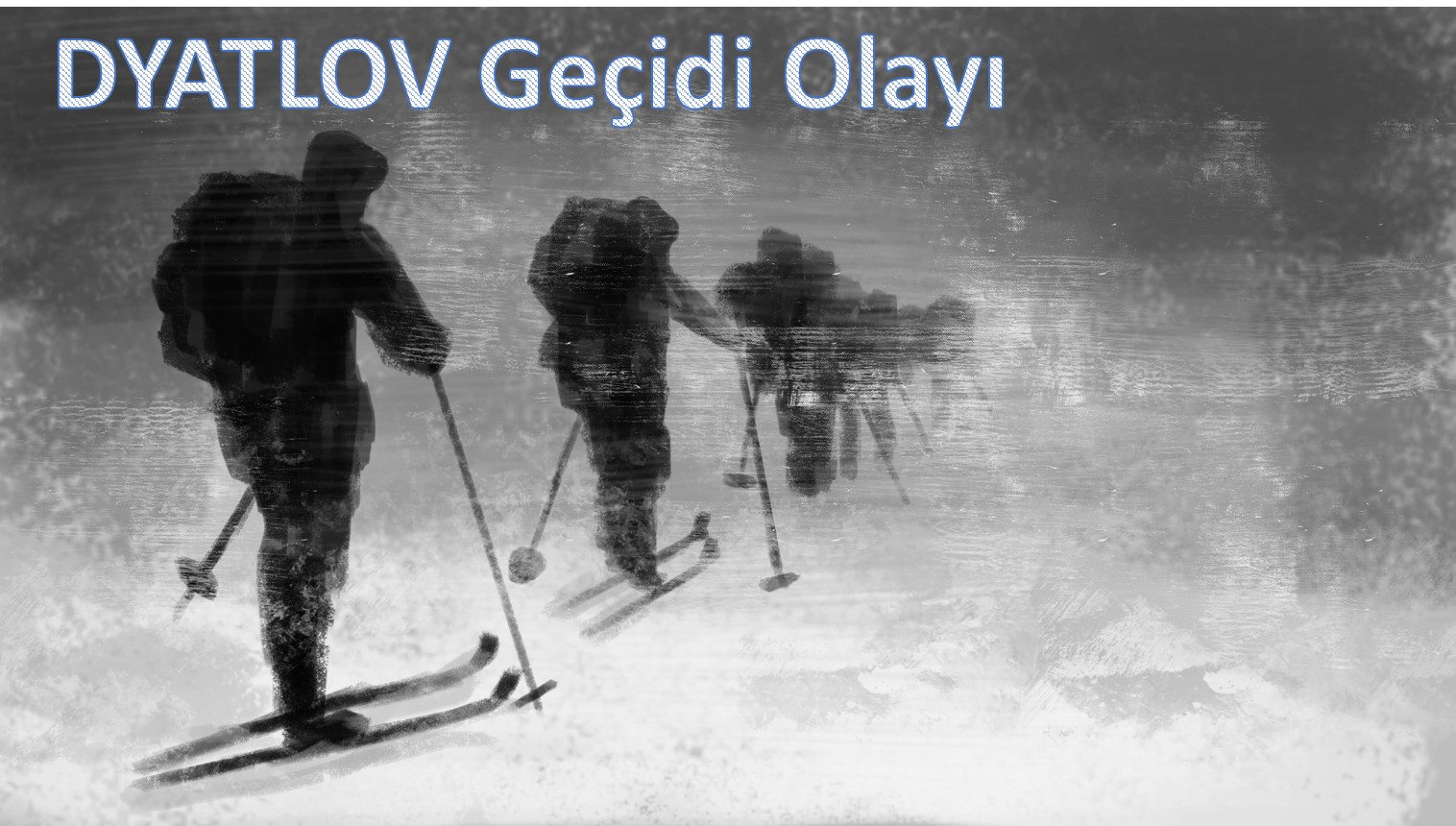
Similarities between the Dyatlov Pass Incident and the Khamar Daban Incident
The Dyatlov Pass incident is a mysterious event that occurred in February 1959. In this incident, nine experienced hikers from the Ural Polytechnic Institute in Russia died under strange circumstances while hiking in the northern Ural Mountains.
The group's tent was found torn from the inside, and the hikers' bodies were found partially or completely naked. Some had fatal injuries such as skull fractures and chest trauma, but there were no visible signs of a struggle.
The cause of their deaths remains unknown, and various theories have been put forward, suggesting possible causes such as an avalanche, infrasound, military intervention, and even alien intervention. The incident remains unsolved and has become a subject of interest for many.
Is it a coincidence that two groups of hikers died under similar circumstances in areas under Russian control?
Hipotermi
According to the official autopsy report, all victims except Lyudmila, who suffered a heart attack, died of hypothermia. Their bodies contained almost no nutrients, including glycogen, the body's energy source.
Researchers stated that the six people froze to death at such a high altitude due to lack of oxygen.
Leonid Izmailov, former deputy head of the Transbaikal Regional Search and Rescue Service, said, “The strangest thing is that even before the first death, despite the men being wet and cold all night, they made no attempt to warm themselves.”
“Each had a sleeping bag and plastic sheet, but these were never used—everything was dry and remained in their backpacks.”
Hypothermia, a condition where body temperature drops below 35°C, can cause hallucinations. In its final stages, the victim may experience “paradoxical undressing,” where they irrationally remove their clothing.
However, everyone who knew Lyudmila Korovina closely rejected the hypothesis of hypothermia. Korovina was a professional. She knew exactly how much food to give the people around her. It was impossible for her team to cause such a disaster in the middle of summer when they hadn't frozen even at -50 degrees. A hiker named Yevgeniya, who had gone on a trip under her leadership, said, "I'd rather believe in the aliens option than Korovina starving her own team to death. I went on ten trips with her, so I know what I'm talking about. Maybe ozone poisoning occurred. There was a strong storm front. Maybe they entered an area with high ozone concentration. Maybe that's why their bodies ended up like this," she said.
Infrasound
Nikolai Fedorov from the rescue team suggested that the hikers might have been driven mad by infrasound, a sound with a frequency too low for the human ear to hear. The human ear cannot detect sound vibrations below 20Hz. If a straight line is drawn between the tops of two neighboring mountains, approximately 60 tons of air pass along the ridge at a wind speed of about 15 meters per second. This is believed to be the most likely source of this infrasound.
"Strong winds and anticyclones cause magnetic fluctuations. Large air currents are set in motion. This creates infrared sounds. Under strong winds, individual rocks can become infrasound generators of tremendous power, causing panic and an inexplicable sense of dread in humans," said Nikolai Fedorov.
"According to the surviving girl, her friends were acting restless and their conversations were incoherent."
Let's conclude by explaining one of the air currents.
Katabatic Wind
Katabatic winds are dense, cold air currents that flow downhill under the influence of gravity and are largely controlled by topography.
Katabatic winds are commonly observed in mountain ranges and high plateaus around the world and are given different local names depending on where they are observed.
Katabatic winds are triggered by the flow created by the pressure difference between cold air at high altitudes and warm air masses at lower elevations. It is estimated that Korovina's team was under the influence of a strong Mongolian Cyclone.
It should be noted that the highest points in the region are around 2000-2300 meters, which is nowhere near as high as Mount Everest, the highest peak in the world. So, what do you think was the cause of the Khamar Daban incident? Let us know in the comments. If you found this topic interesting, I recommend you also look into the Dyatlov Pass Incident.
Levent Aslan

In order to have a signed physical copy of this book, you can make a payment notification after making the payment to the bank information below




















Add Comment